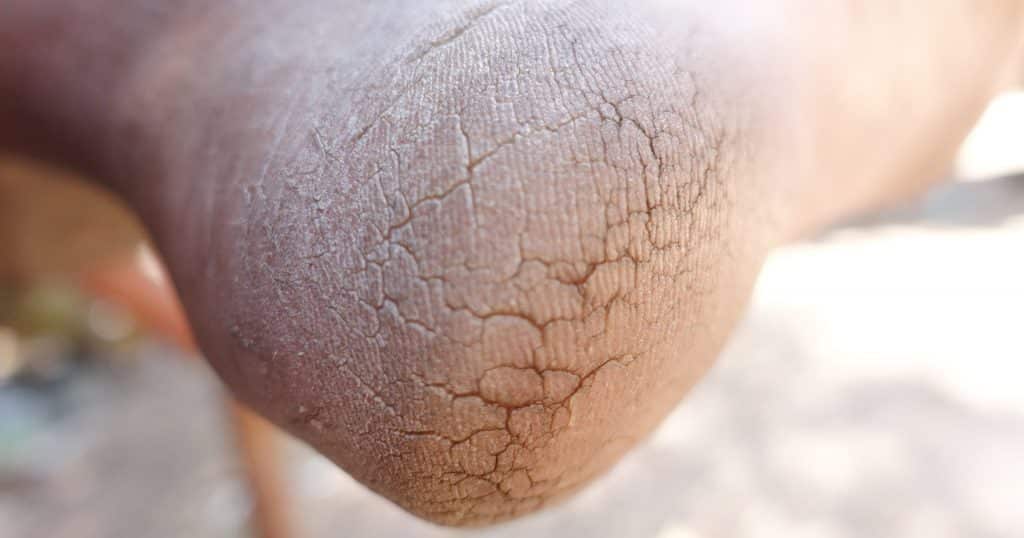

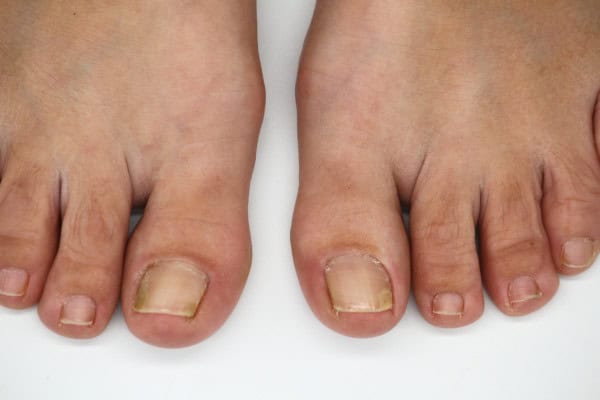
Fungal nail conditions are common and may affect people of all ages, often leading to changes in nail colour, shape, and thickness. If you have noticed persistent discolouration, brittleness, or a nail that appears increasingly difficult to trim, it may be time to seek support from a podiatrist in North Brisbane.
Understanding what causes fungal infections and excessive nail thickening may help you take the right steps towards improving your nail health and preventing future complications.
For personalised support with persistent nail concerns, contact our team at Foot Health Clinic today. With decades of experience in assessing and managing a wide range of foot and nail conditions, we proudly support individuals and families across North Brisbane.
What Causes Fungal Nail Infections
Fungal nail infections, also known as onychomycosis, occur when fungi enter the nail bed through small cracks in the nail or surrounding skin. These microorganisms thrive in warm and moist environments and can be picked up in places such as public pools, gyms, locker rooms, and communal showers.
Some common factors that increase the risk of developing a fungal nail infection include:
- Trauma to the toenail
- Wearing tight or enclosed footwear
- Hyperhidrosis or excessive sweating
- Reduced circulation
- Age related changes
- Pre existing medical conditions that affect the immune response
Once the fungus establishes itself, it can spread deeper into the nail, leading to thickening, discolouration, and structural changes.
Excessive Nail Thickening: More Than a Cosmetic Issue
Excessive nail thickening, medically known as onychauxis, can occur with or without a fungal infection. Although thickened nails are often dismissed as a cosmetic concern, they may cause discomfort, pressure in footwear, and difficulty with basic nail care.
Several conditions may contribute to nail thickening, including:
- Fungal infection
- Chronic trauma, often from footwear or repetitive activities
- Psoriasis
- Eczema
- Age related nail changes
- Reduced circulation
Thickened nails are often more difficult to maintain and, if left unmanaged, may lead to pain, secondary infections, or further nail deformity.
Signs and Symptoms to Watch For
Both fungal infections and nail thickening share similar symptoms, which is why proper assessment is important. You may notice:
- Nails that are brittle, crumbly, or flaky
- A yellow, brown, or white discolouration
- Nails that lift from the nail bed
- Increased nail thickness
- Nail edges that become irregular or sharp
- Discomfort when wearing certain shoes
Because these symptoms overlap with other dermatological and systemic conditions, professional assessment may help ensure the correct diagnosis and treatment pathway.
How Fungal Nail Conditions Are Diagnosed
A podiatric assessment typically involves a close examination of the nail and surrounding skin. In many cases, a small nail sample may be collected and sent for laboratory testing to confirm whether a fungus is present. This step is important because not all thickened or discoloured nails are fungal in nature, and treatments vary depending on the underlying cause.
Laboratory testing aims to help identify the type of fungus involved, which may assist in recommending a more informed treatment approach.
Treatment Options for Fungal Nail Infections
Fungal nail treatment may involve a combination of topical applications, mechanical nail care, and in some cases oral medication prescribed in consultation with a GP or dermatologist. Treatment duration varies, as toenails grow slowly and require time to replace the damaged nail with healthy new growth.
1. Topical Treatments
Topical antifungal lacquers or solutions may be applied directly to the nail. These are often recommended in cases where the infection is mild to moderate or when oral medications are not appropriate.
2. Mechanical Reduction
Thickened nails may be reduced with specialised podiatric instruments designed to improve comfort, reduce pressure in footwear, and assist topical treatments in penetrating the nail more effectively.
3. Oral Medications
Some patients may require systemic medication. These are obtained through a GP or dermatologist and are typically considered for more advanced or persistent fungal infections. Regular monitoring may be recommended to check suitability and response.
Understanding the Pros and Cons of Laser Treatment
Laser therapy has emerged as an option for managing fungal nail infections. It uses concentrated light to target fungal cells in an effort to reduce their presence within the nail.
Below is a general overview of the pros and cons of laser treatment that patients often consider when exploring their options:
Pros
- Non invasive and does not require medication
- Sessions are usually quick and well tolerated
- No downtime required after treatment
- May support other treatments by creating a more suitable environment for nail recovery
Cons
- Multiple sessions may be required
- Results can vary
- Costs may be higher than other treatment options
- Laser does not address all contributing factors such as footwear issues, trauma or circulation concerns
Laser therapy is not suitable for everyone and is usually recommended as part of a broader management approach rather than a standalone solution.
Preventing Fungal Nail Infections and Nail Thickening
Prevention plays a key role in long term nail health. Strategies that may help reduce the risk of fungal infections and excessive nail thickening include:
- Wearing breathable footwear made from natural materials
- Keeping feet dry and changing socks daily
- Avoiding walking barefoot in communal areas
- Drying thoroughly between the toes
- Choosing nail salons with high hygiene standards
- Managing underlying skin conditions
- Seeking early treatment for foot or nail trauma
Routine podiatry care may also help identify early changes before they become more complex.
When to Seek Professional Support
If you are experiencing ongoing nail changes, discomfort, or signs of infection, our podiatrists aim to assist. A professional assessment may help you understand what is causing the problem and provide a personalised plan to support healthier nail growth. Early care may help prevent complications such as further thickening or secondary infections.
Contact Foot Health Clinic today to book an appointment and take the next step on your journey towards better foot and nail health.