
Ingrown toenails are a common foot condition that can interfere with comfort, mobility, and everyday activities. When conservative care is no longer appropriate, assessment by a podiatrist in North Brisbane may help determine whether a procedural option may be considered.
Understanding how surgical management works, what it addresses beneath the nail, and how it may support long-term foot health can help patients make informed decisions about their care.
This article outlines why ingrown toenails can recur, how surgical approaches are used to reduce repeat episodes, and how early, appropriate management may lower the risk of ongoing foot-related issues.
For personalised advice, contact our team at Foot Health Clinic today.
Understanding Ingrown Toenails
An ingrown toenail occurs when the edge or corner of a toenail grows into the surrounding skin. This most commonly affects the big toe. As the nail presses into the skin, it can lead to local inflammation, tenderness, swelling, and sometimes infection.
Factors that may contribute include nail trimming techniques, footwear that places pressure on the toes, previous injury, and inherited nail shape. In some individuals, the natural width or curvature of the nail plate increases the likelihood of ingrowth, even with good foot care habits.
Early or mild cases may be managed with non-surgical approaches such as careful nail care, footwear modification, or techniques to reduce pressure at the nail edge. However, these measures do not always change the way the nail grows, particularly when the nail matrix continues to produce a curved or wide nail.
Why Ingrown Toenails can Recur
Repeated ingrown toenails often indicate that the underlying growth pattern of the nail has not changed. Even when pain or infection settles, the nail may continue to grow in a way that irritates the surrounding skin.
Over time, repeated inflammation can lead to thickening of the nail fold, development of overgrown tissue, and an increased likelihood of infection. These changes can make future episodes more uncomfortable and more difficult to manage.
Reducing recurrence usually involves addressing the section of the nail responsible for repeated ingrowth, rather than only managing symptoms as they arise.
What is Ingrown Toenail Surgery
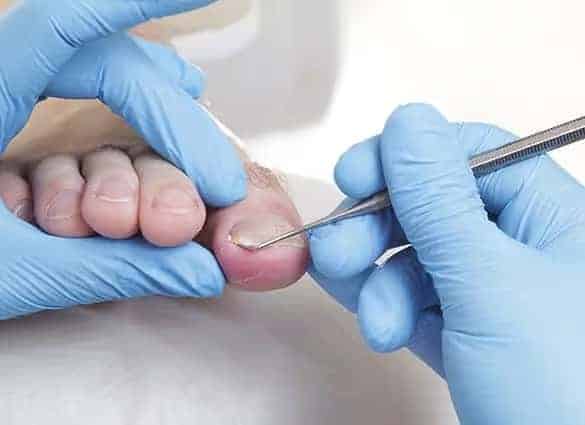
Ingrown toenail surgery is a procedural approach used to remove the part of the nail that is contributing to ongoing irritation. The aim is to allow the remaining nail to grow in a way that places less pressure on the surrounding skin.
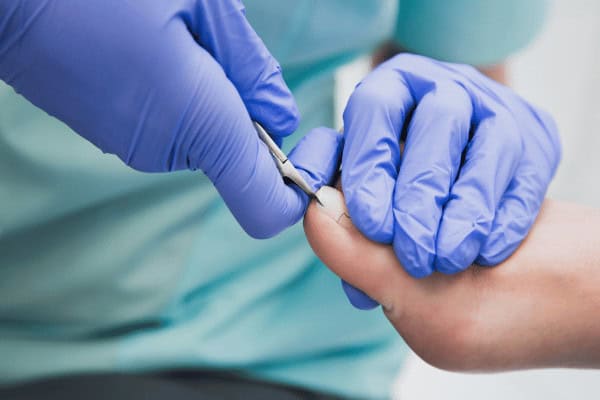
The procedure is commonly performed under local anaesthesia in a clinic setting. Once the toe is numb, the podiatrist removes the affected nail edge. In some cases, the nail matrix associated with that section is treated so that it does not continue to produce the same portion of nail.
This can result in a narrower nail shape that is less likely to press into the skin at the sides.
How Surgery may Reduce Recurrence
The nail matrix is the area responsible for nail growth. Non-surgical treatments do not alter this structure, which is why ingrown toenails can return even after symptoms improve.
By addressing the matrix during ingrown toenail surgery, the section of nail linked to repeated ingrowth is less likely to regrow in the same way. This approach is commonly used when ingrown toenails are recurrent or associated with ongoing infection or discomfort.
Outcomes vary between individuals, and results depend on factors such as nail shape, healing response, and adherence to aftercare instructions. A podiatrist can explain expected outcomes based on individual circumstances.
Does Ingrown Toenail Surgery Hurt
A common question patients ask is does ingrown toenail surgery hurt. During the procedure, a local anaesthetic is used to numb the toe. Most patients report feeling pressure or movement rather than pain while the anaesthetic is working.
After the anaesthetic wears off, some soreness or tenderness is expected for a short period. This is often managed with rest, elevation, and simple pain relief if appropriate. For many people, post-procedure discomfort is described as more manageable than the pain experienced during an inflamed or infected ingrown toenail.
Discussing pain expectations in advance can help patients feel more prepared for the procedure and recovery period.
Recovery and Aftercare
Aftercare is an important part of recovery. Following the procedure, the toe is dressed to protect the area and support normal healing.
Patients are usually given instructions on dressing changes, keeping the area clean, and monitoring for signs of infection. Wearing footwear that allows space around the toes can help reduce pressure during the early stages of recovery.
Most people are able to return to usual daily activities within a few days, although strenuous or high-impact activities may need to be modified temporarily. Follow-up appointments allow healing to be reviewed and questions to be addressed.
Preventing Long-Term Foot Issues
Repeated or unmanaged ingrown toenails can affect more than the toe itself. Ongoing discomfort may lead some people to change the way they walk, which can place additional strain on other parts of the foot or lower limb over time.
For individuals with certain medical conditions, such as diabetes or reduced circulation, recurring nail infections can present additional concerns and require careful monitoring.
Addressing recurrent ingrown toenails in a timely manner may help reduce the likelihood of these broader foot-related issues.
When Surgical Management may be Considered
A procedural approach may be discussed when ingrown toenails are recurrent, frequently infected, or cause ongoing discomfort despite conservative care. It may also be considered when nail shape or growth pattern increases the likelihood of repeated problems.
Assessment involves reviewing medical history, examining the nail and surrounding tissue, and discussing previous treatments. This helps determine whether surgery is appropriate for the individual situation.
Supporting Ongoing Nail Health
Even after surgical management, ongoing foot care remains important. Appropriate nail trimming, well-fitting footwear, and regular self-checks can support nail and skin health.
A podiatrist can also provide advice on reducing pressure on the toes and recognising early signs of nail problems.
Considering Long-Term Management Options
For people who experience repeated ingrown toenails, surgical management may be one option discussed as part of a broader care plan. Understanding the procedure, recovery, and expected outcomes allows patients to make informed choices about their foot health.
Foot Health Clinic provides individual assessment and guidance, appointments focused on understanding your symptoms, reviewing your nail health, and discussing suitable care pathways based on your needs and medical history.