

Thickened or Damaged Nails
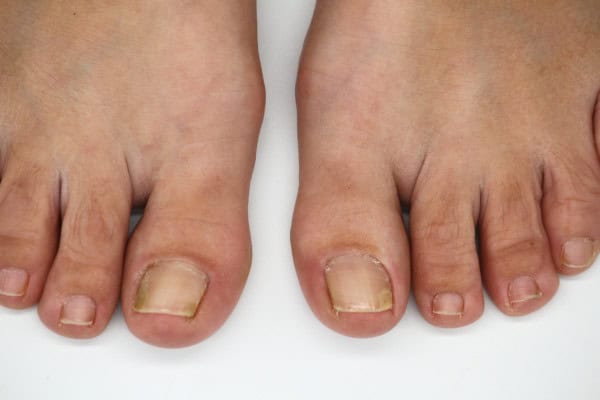
Thickened, discoloured, or damaged toenails are one of the most common foot concerns we see at Foot Health Clinic. Problem nails can cause real discomfort — making it painful to wear shoes and difficult to trim nails safely.
Most nail problems respond well to professional podiatry care. Whether your nails have thickened over time, changed shape after an injury, or become hard to manage, we can help.

What Causes Thickened or Damaged Nails?
Toenails can become thick, rough, or misshapen for a number of reasons:
Fungal nail infection — The most common cause. Fungal organisms thicken, discolour, and crumble the nail. Can spread to other toes if untreated.
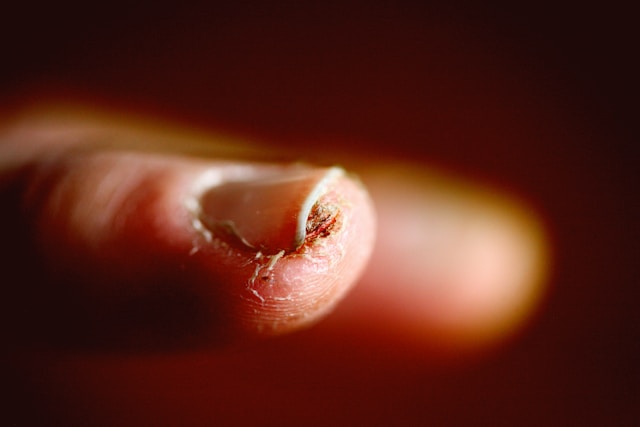
Trauma or injury — Stubbing your toe, tight shoes, or sports pressure can damage the nail bed, causing thicker or ridged regrowth.
Ageing — Nails naturally thicken as growth slows, making them harder to trim.
Skin conditions — Psoriasis, eczema, and lichen planus can cause pitting, thickening, and discolouration.
Poor circulation — Reduced blood flow — common with diabetes or vascular disease — affects nail growth and healing.
Ill-fitting footwear — Tight or narrow shoes put ongoing pressure on nails, leading to bruising and thickening.
Signs, Symptoms and Treatment
Signs You May Need Professional Nail Care
- Nails that are noticeably thicker, crumbly, or split easily
- Yellow, brown, or white discolouration
- Pain or discomfort when wearing shoes
- Difficulty trimming your own toenails
- A nail that has lifted or separated from the nail bed
How We Treat Thickened and Damaged Nails
Professional nail debridement — We carefully reduce nail thickness using specialised instruments. Painless and immediately more comfortable. Most people come in every 6–8 weeks.
Fungal nail treatment — Professional debridement to manage affected nails, with Lunula cold laser treatment available onsite for fungal infections.
Ongoing management — Regular maintenance to keep nails trimmed, smooth, and comfortable — especially important if you can’t safely manage them yourself.
Footwear advice — Practical tips on choosing shoes that protect your nails, plus safe home care techniques between appointments.

When to See a Podiatrist
When to See a Podiatrist
Book an appointment if:
- Your toenails are too thick or tough to trim safely
- You notice changes in nail colour, shape, or texture
- You suspect a fungal nail infection
- You have diabetes or poor circulation — professional nail care is especially important
- A damaged nail isn’t growing back normally
Don’t put up with problem nails — most issues are straightforward to manage with the right care.
Common Questions
Can thickened nails go back to normal?
It depends on the cause. Fungal infections can clear with treatment, though full regrowth takes 12–18 months. Permanently damaged nail beds may always grow thicker, but we keep them comfortable with regular care.
Is it safe to cut thickened nails at home?
Mildly thickened nails can be managed with proper nippers. Very thick nails or nails in people with diabetes should always be managed by a podiatrist.
How often should I come in?
Most people benefit from appointments every 6–8 weeks. We’ll recommend a schedule based on your needs.
Does nail debridement hurt?
No. It’s painless — we gently file and thin the nail without affecting the nail bed. Most people find it quick and comfortable.