

Cracked Heels
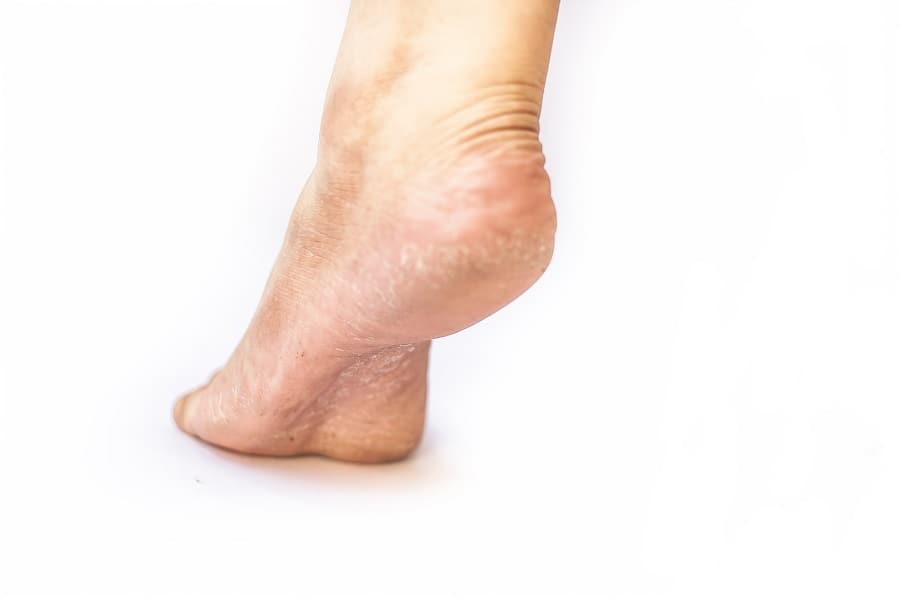
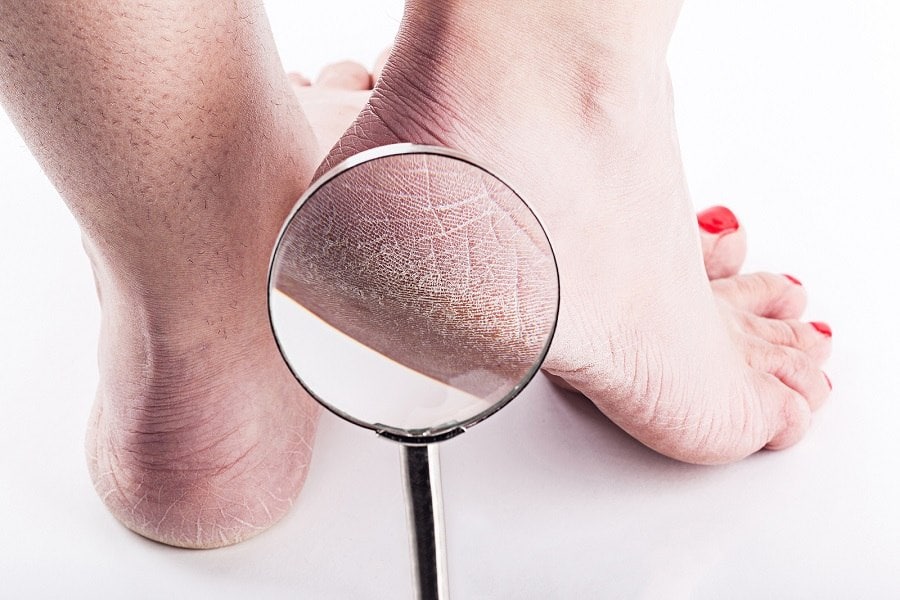
Cracked heels are one of the most common foot complaints we treat at Foot Health Clinic. What starts as dry, flaky skin on the heels can progress to deep, painful fissures that bleed, catch on socks, and make every step uncomfortable.
Most cracked heels respond well to professional podiatry care — and the earlier you address them, the quicker they resolve.
What Causes Cracked Heels?
Cracked heels can develop from a number of factors, often in combination:
Dry skin — The skin on your heels has no oil glands, so it relies on sweat glands alone for moisture. When the skin dries out, it loses flexibility and cracks under the pressure of standing and walking.
Standing for long periods — Jobs or activities that keep you on your feet all day increase pressure on the heel pad, causing it to expand sideways. Dry skin can’t stretch to keep up, so it splits.
Open-backed shoes and thongs — Footwear without a back lets the heel pad spread with each step. Over time this leads to callus build-up and cracking.
Excess weight — Extra body weight increases the force on the heel pad, making cracks more likely and harder to heal.
Skin conditions — Eczema, psoriasis, and dermatitis can all make heel skin drier and more prone to cracking.
Medical conditions — Diabetes and thyroid disorders can reduce skin moisture and slow healing. People with diabetes need to be especially careful, as cracked heels can become an entry point for infection.
Signs, Symptoms and Treatment
Signs and Symptoms
- Hard, thickened skin (callus) around the heel edge
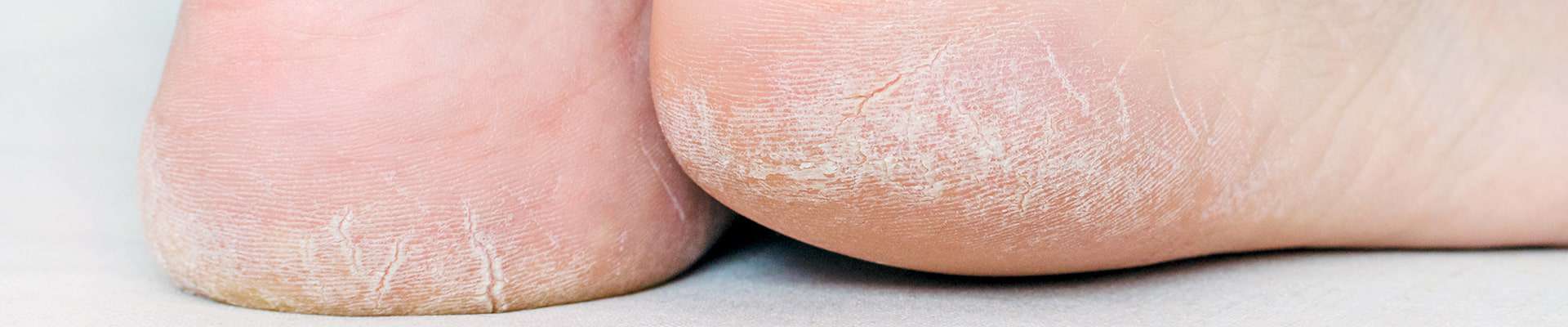
- Visible cracks or fissures in the skin
- Dry, flaky, or peeling heels
- Pain when standing, especially on hard floors
- Bleeding from deeper cracks
- Redness or inflammation around the fissures
- Skin catching on socks or bedsheets
How We Treat Cracked Heels
Professional debridement — We carefully remove the built-up callus and hard skin using specialised instruments. This reduces pressure on the cracks and allows the healthy skin underneath to heal. Most people notice an immediate improvement.
Fissure management — For deeper cracks, we clean and dress the fissures to protect them while they heal. We may apply medical-grade heel balms or protective strapping to hold the skin together as it repairs.
Skin care advice — We’ll recommend the right moisturiser for your skin type and show you how to use it effectively. A good daily routine makes a big difference in preventing cracked heels from coming back. Using a pumice stone regularly also helps.
Ongoing maintenance — If you’re prone to cracked heels, regular podiatry appointments (every 6–8 weeks) keep callus under control before it has a chance to crack again.
When to See a Podiatrist
When to See a Podiatrist
Book an appointment if:
- Your heels have deep cracks that are painful or bleeding
- Over-the-counter creams aren’t making a difference
- You have diabetes or poor circulation — cracked heels need prompt attention to prevent infection
- The skin around the cracks is red, warm, or swollen (possible sign of infection)
- You’ve been putting up with sore heels for weeks and it’s not getting better
- Callus keeps building up no matter what you try at home
Don’t wait until it gets worse. Cracked heels are much easier to treat early.
Common Questions
Can cracked heels heal on their own?
Mild dryness can sometimes improve with a good moisturiser and better footwear. But once cracks have formed — especially deep fissures — they usually need professional treatment to remove the callus and allow the skin to repair properly.
What’s the best moisturiser for cracked heels?
Look for a urea-based heel balm (at least 20% urea). Apply it daily after showering, but avoid putting it between your toes. We can recommend a specific product during your appointment.
How long does it take for cracked heels to heal?
With professional debridement and a good home care routine, most people see significant improvement within 2–4 weeks. Deeper fissures may take longer. Regular maintenance helps prevent them from coming back.
Why do my heels keep cracking?
Recurring cracked heels are usually caused by a combination of factors — dry skin, footwear choices, time on your feet, or an underlying condition. We’ll help you identify what’s driving it and put a plan in place to break the cycle.